

A good psychological thriller leaves the reader wondering what is true, who is to be trusted, and what a character might do in such circumstances.
Latest News & Updates

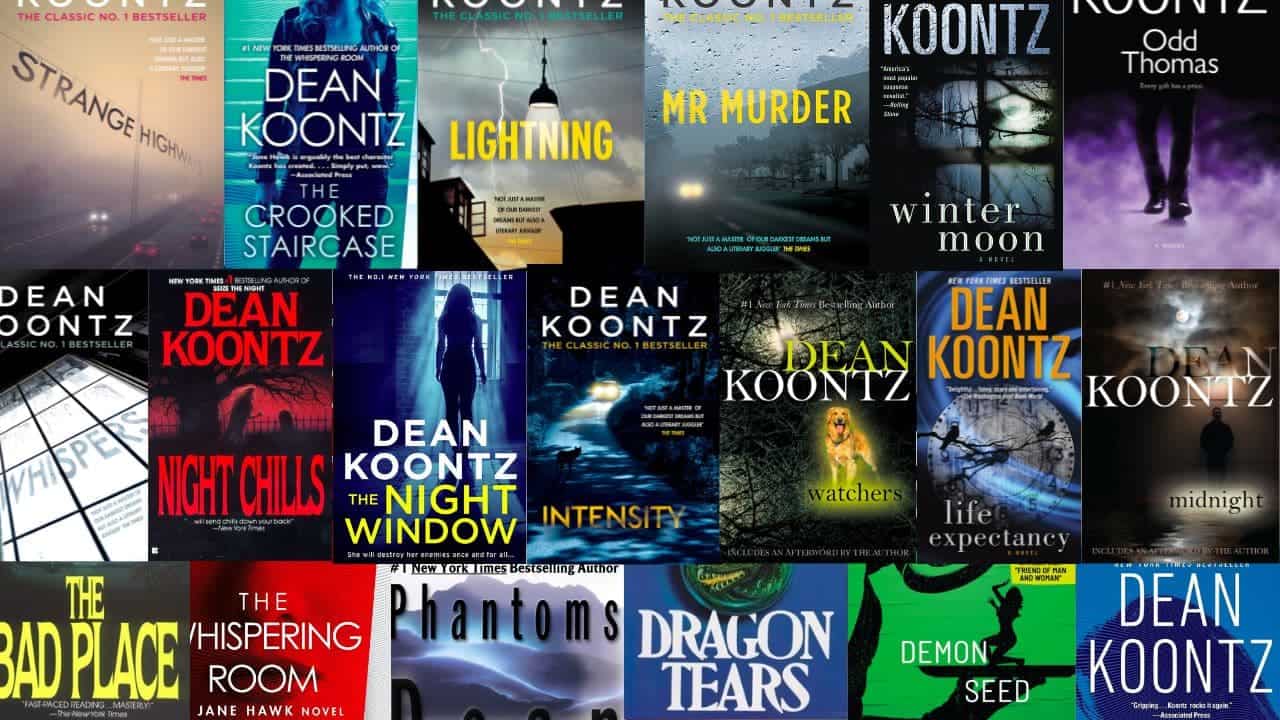
Why Dean Koontz’s Novels Keep Readers Hooked
Dean Koontz has earned a loyal audience by seamlessly blending suspense, emotional warmth and moral clarity into stories that are fast-paced and yet keep the human element alive. His novels are frequently described as horror but actually they combine elements of thriller, mystery, science fiction, fantasy, romance, and humor in an unusual manner. His books are popular because readers are drawn to the adventure of danger, yet also understand that in spite of the dark elements of the story, courage, love, and loyalty have the potential to prevail.
Ordinary People in Extraordinary Danger
The protagonists of Koontz’s books are among his greatest strengths. His protagonists are usually not super soldiers or action heroes, but regular bartenders, gardeners, fry cooks, teachers, and outsiders who are suddenly faced with extraordinary threats. This helps make their fear and courage feel realistic.
Readers can picture themselves in comparable scenarios, adding a level of emotional involvement. If a character has to save a child, expose a secret, or outsmart an aggressor, the threat is real and not abstract. Many of his novels also give outsiders a sympathetic hearing because Koontz is fascinated by them, and his outsiders are sometimes strong and insightful.
Fast-Paced Suspense
Koontz has a reputation for tight plots and a constant tension. Most of his stories start with a mystery, threat, or strange situation that compels the reader’s attention. The chapters are brief and to the point, designed to get readers to keep reading one more section before dropping the book.
His stories often have twists, chases, revelations, and quiet moments of fear. Instead of just using shock, he creates suspense by leaving questions unanswered: Who is following the protagonist? What was the reason for this weird phenomenon? Can the threat be contained and forestalled before it can escalate? This provides his novels with momentum and keeps the reader feeling engaged.
A Blend of Genres
Another reason why Koontz is popular is that he refuses to limit himself to one category. His novels can have many genres, including horror, science fiction, mystery, romance, satire, and action, which makes for a wide range of reading pleasure.
This mixing enables him to delve into rather strange concepts, yet without sacrificing accessibility. All of this can be applied to a novel, which may feature genetic manipulation, the supernatural, psychological trauma, or technological danger, but not without the presence of familiar emotions and relationships. Both thrills and suspense are the hallmarks of the book for the reader who enjoys them, and themes of identity, loss, family, and resilience for one who is more drawn to character-driven fiction.
Emotional Depth and Hope
While some of Koontz’s villains may be cruel, there aren’t any real endings that are doomed to be tragedies. One constant is that individuals can defy fear through their relationship with relatives, friends, and loved ones. His fiction frequently embodies love, compassion, faith, and freedom as a force that challenges power, envy, and greed.
This moral framework gives readers more than entertainment. In spite of all the wrongs he is faced with and all the losses or evils his characters experience, the novels still imply that human behavior is important. It’s even more potent in dark tales, where the positive feeling makes the victory seem like a hard-won achievement.
Memorable Companions and Animals
Koontz often uses dogs and other animals to provide significant roles in his fiction. They can provide loyalty, protection, humour, or emotional support during distressing times. These companions are humanizing to the story and offer readers a place of warmth in the midst of danger.
These relationships also bring to life one of Koontz’s core concepts: survival isn’t necessarily about winning the battle; it’s about keeping the connection alive. A devoted pet, friend, or stranger can play as significant a role in the storyline as the main conflict.
A Familiar Yet Flexible Formula
Consistency is also what has brought Koontz success. Most of his novels are based on a character who is sympathetic, a menace who is antagonistic, a problem that needs to be solved, and a battle between good and evil. Readers, like movie buffs, sometimes return to the same kinds of stories for comfort, and comfort is a familiar feeling.
Meanwhile, he alters settings, threats, and emotional themes, making the books not exactly the same. The threat can be from humans or demons, or be a scientific hazard, but it’s always about what people do in extreme situations. The rhythm of familiarity and surprise is what keeps readers turning the pages of his novels.
Dean Koontz is a writer who keeps readers on their toes, providing more than fear in his books. They offer momentum, empathy, moral stakes, and the satisfying belief that ordinary people can face extraordinary darkness and still choose hope.

How Fiction Explores the Dark Side of Human Nature
Fiction offers readers a safe, yet intense exploration of cruelty, greed, jealousy, fear, and moral weakness. In writing characters that make bad decisions, writers expose how normal people can become involved in violence, betrayal, or apathy. These stories are not a justification for any wrongdoing but provide an understanding of what causes and what effects it has.
A villain can be a clear example of badness, but the most disturbing fiction suggests badness in the likable ones. Sometimes, a loving parent will lie in order to spare a child from suffering a loss, and sometimes a loyal friend will betray someone because of envy or fear. This complexity gives moral questions a reality that is more than simple.
Genres have different approaches to this theme. Crime fiction explores the issues of guilt and justice, horror, the externalization of inner fears, and literary fiction the subtler forms of familial and communal cruelties. Fiction helps to foster empathy and introspection through conflict, consequence, and reflection. It makes readers aware that darkness can be in monsters but it can also be in choices they make in their daily lives.


Exploring the Strange and Supernatural in Horror Fiction
In horror fiction, the strange and the supernatural elements make the reader doubt the safety of normal life. The haunted house, cursed object, ghostly figure or impossible creature make familiar spaces places of uncertainty. The best stories are not about the monsters alone, but rather stories that imply that reality is not as secure as it seems. In supernatural horror, it can be done through suggestion.
A shadow in the corner of the eye, a sound that isn’t explained, or a door that opens on its own can evoke greater fear than a well-described monster. The reader makes the gaps his/her own, filling in their own fears. Themes in these stories are also deeper themes such as grief, guilt, isolation, obsession and fear of death. A ghost can symbolize an unfulfilled past, and a demon can symbolize a corruption within oneself.
Horror has been linked to emotion and the supernatural, and that’s more than shock. Great horror fiction leaves you troubled; it asks you what would happen if the impossible came into the world.
What Makes a Great Psychological Thriller?
A good psychological thriller leaves the reader wondering what is true, who is to be trusted, and what a character might do in such circumstances. It creates tension through fear, doubt, memory, obsession and manipulation, rather than action. The threat can be from another character, a secret, or the protagonist’s own psyche.
Well-developed characters are crucial. The main character should have a definite set of goals, a set of weaknesses, and a set of difficult decisions; the antagonist should be intelligent, should be believable. Their battle should not be solely a battle of force but one of moral limits.
Pacing also matters. The chapters are short and there are unanswered questions, but the revelations are well-timed and the twists must follow from the clues. One unprepared surprise is out of the way.
The greatest psychological thrillers delve into common fears like betrayal, isolation, guilt, identity, and loss of control. If the ending explains what has happened before, readers will be shocked and pleased. A gripping page-turner that lingers in the mind long after the last page.